

|
Getting your Trinity Audio player ready...
|
Institutions, Freedom, and New Authoritarian Trends
Agenda
Allan Ortiz | Founder, GuateActiva
Topic: Guatemala: Democratic Institutions, Rule of Law, and Governance Challenges.
Enrique Martínez | President, IPADES
Topic: Nicaragua: New Authoritarian Trends in Central America.
Fernando Ulloa | Project Director, IPADES
Topic: Costa Rica: Institutional Resilience and the Challenges of Contemporary Democracy.
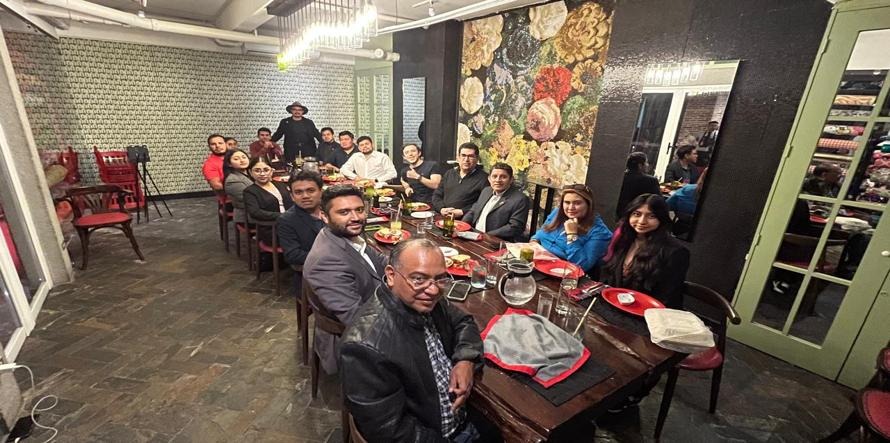
The Institute for Peace and Development (IPADES), in partnership with FNF Central America and GuateActiva, participated in organizing the regional forum “Where Is Central American Democracy Headed? Institutions, Freedom, and New Authoritarianisms.” The event brought together civil society representatives, democratic leaders, policy experts, business leaders, and organizations committed to strengthening democratic governance across the region.
The forum served as a platform to examine the political trends shaping Central America and to reflect on the challenges democratic institutions face amid the rise of new forms of authoritarianism. Throughout the discussions, participants explored issues such as the concentration of political power, the weakening of institutional checks and balances, restrictions on civic space, and the implications of these developments for political freedom and citizen participation.
The event also examined how contemporary authoritarian practices are evolving in the region, including the use of legal, political, and communication mechanisms to consolidate power, limit independent oversight, and shape public narratives. Drawing from comparative perspectives, discussions focused on the experiences of Guatemala, Costa Rica, and Nicaragua, identifying both common challenges and opportunities for strengthening democratic resilience.
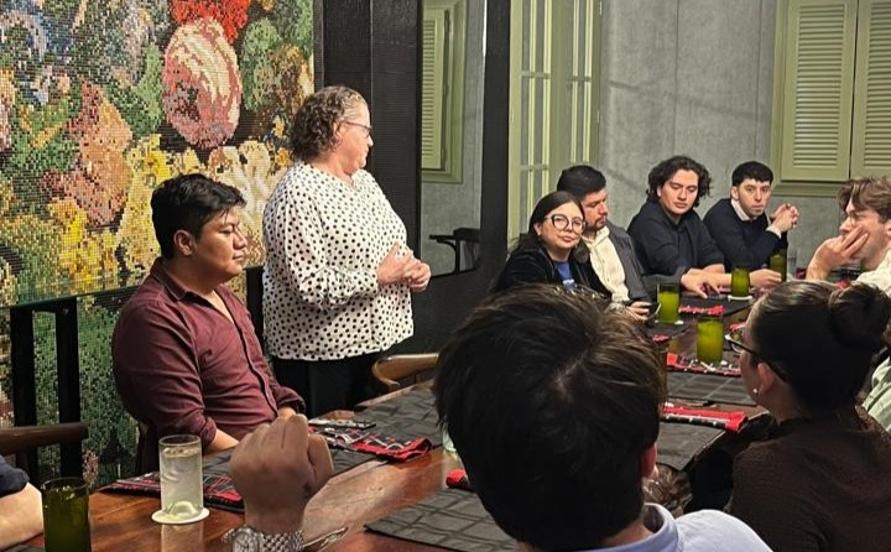
The forum featured contributions from Elizabeth Maigler, representative of FNF Central America, and Fernando García Merino, a distinguished regional business leader. Their interventions provided valuable insights into the relationship between democracy, economic freedom, institutional strength, sustainable development, and regional cooperation.
Throughout the forum, participants emphasized that democracy depends on strong institutions, active citizenship, and open spaces for dialogue. Speakers highlighted that the protection of fundamental freedoms is closely linked to economic opportunity, legal certainty, and the preservation of the rule of law.
For IPADES, one of the most important outcomes of the event was the strengthening of connections among democratic leaders, civil society organizations, and stakeholders committed to defending fundamental freedoms throughout Central America. Beyond political analysis, the forum helped advance a regional agenda focused on democratic governance, institutional accountability, and civic engagement.

The discussions underscored the importance of continued regional dialogue and cooperation to identify emerging risks, share experiences, and coordinate responses to democratic challenges. Participants agreed that collaboration among civil society, the private sector, academia, and international partners will be essential to preserving democratic progress and promoting more open, transparent, and accountable institutions.
IPADES reaffirmed its commitment to fostering dialogue, civic participation, democratic governance, and human rights across Central America. The organization will continue promoting initiatives that strengthen democratic institutions, expand citizen engagement, and support regional cooperation grounded in freedom, responsibility, and human dignity.