
|
Getting your Trinity Audio player ready...
|
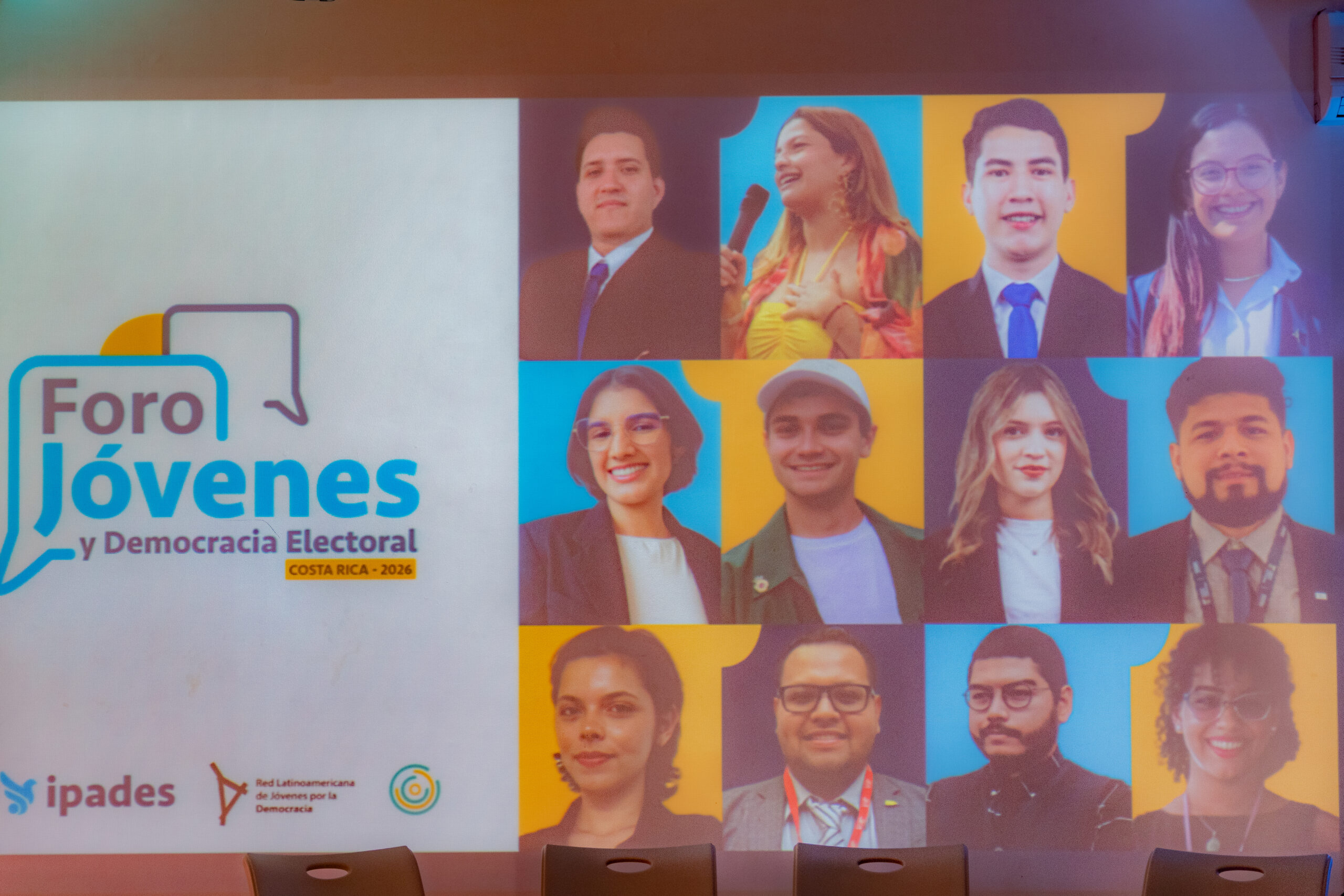
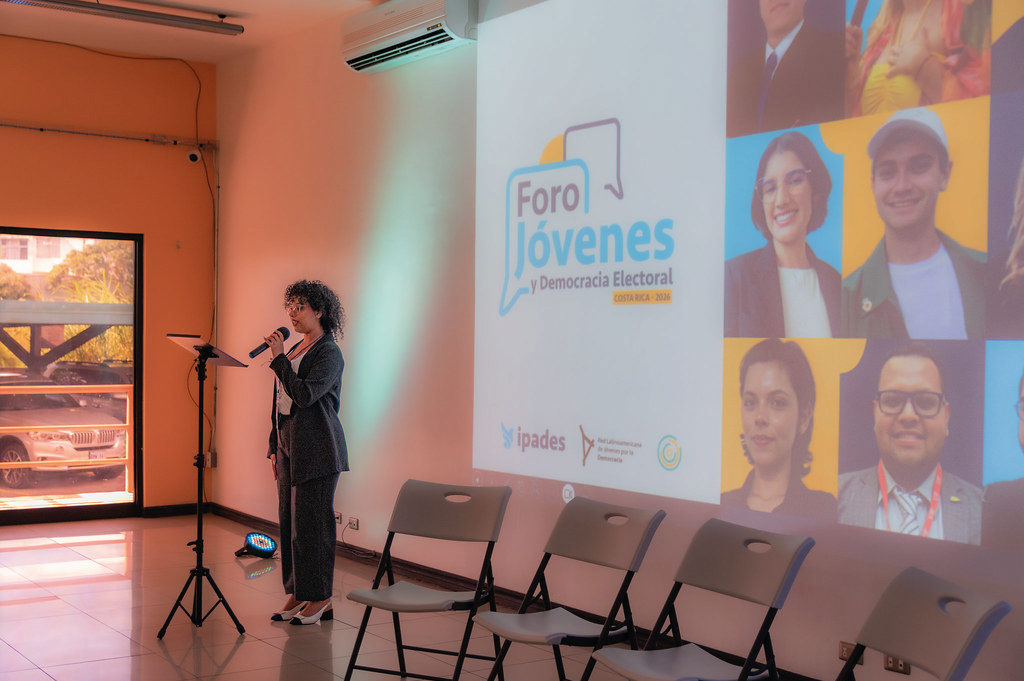
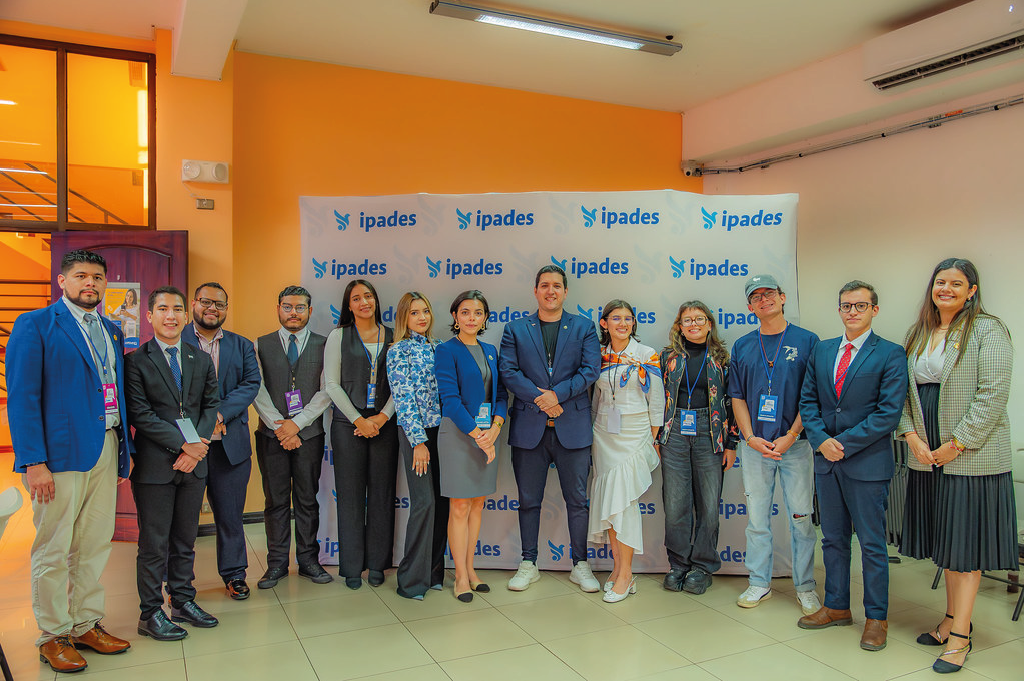
On January 30, the Youth and Democracy Forum was held in Costa Rica, taking place in San Pedro, San José, in an in‑person format with a hybrid option, which allowed young people and social actors to participate both physically and virtually. The event became a space for analysis, dialogue, and reflection on the fundamental role of youth in strengthening democracy, particularly in the context of Costa Rica’s presidential electoral process.
In a region marked by institutional weakening and growing citizen distrust, the Forum reaffirmed the importance of young people becoming actively involved in democratic processes. Although Costa Rica continues to stand out as one of the most stable democracies in the region, persistent challenges were acknowledged, such as low youth political participation, misinformation, and limited access to civic engagement tools.
During the dialogue space, panelists such as Fernando José Paz Velásquez, Executive Director of AGLOJOVEN Honduras; David Berts, former Executive Director of AGLOJOVEN Guatemala; Keidy Nicole García Gonzales, international liaison of AGLOJOVEN; and Bressia Benel Yañez, Chief of Legislative Staff, enriched the conversation. They participated in Panel 1 – Youth Electoral Observation and Defense of Democracy, where they expressed:
“Participating in electoral observation and democratic oversight initiatives is an opportunity to improve the quality of our institutions, but it also means facing personal, organizational, and public barriers. Based on our experience and shared work with other youth across the region, these are the most common challenges and the practices that have proven effective. Democracy is strengthened when it is shared, protected, and exercised.”

Panel 2 – Youth and Citizen Participation in Electoral Times was composed of a diverse group of young leaders with extensive experience in activism, student representation, and political participation. Their presence enabled a dialogue enriched by multiple perspectives on the challenges and opportunities young people face in democratic processes. Participants included: Andrea Chacón, lawyer and activist, former president of FEUCR and current vice president of PAC; Andrés Castillo, political advisor and president of La Otra Juventud; Óscar Rojas, law student, councilman, and national president of Juventud Liberacionista; Camila Gutiérrez, law student with experience in public management and a focus on human rights, part of the youth team of the Partido Liberal Progresista; and Maybell Fernández, student of International Relations and Law, with training in international law and participation in various academic forums. Their contributions enriched the discussion with diverse perspectives on the role of youth in democratic life.
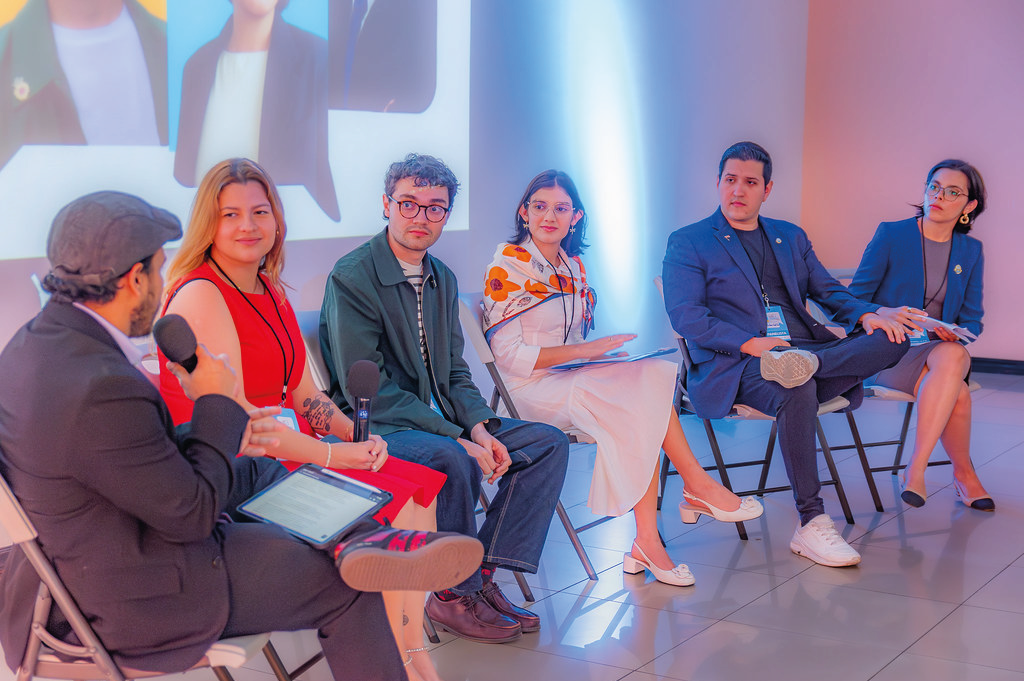
The panelists agreed that young people face a set of structural, cultural, and institutional barriers that limit their active involvement in electoral processes, both inside and outside political parties. First, they highlighted the lack of access to clear information on how to get involved. Many young people are unfamiliar with internal party processes, leadership pathways, or even the requirements to join campaigns or committees. This is compounded by limited political and civic education, as educational spaces do not always strengthen participation skills, institutional understanding, or critical thinking.
“Democracy flourishes when young people take an active role in its defense and construction. It is not enough to participate only during electoral periods: we must stay informed, get involved, and assume the responsibility of monitoring and strengthening our institutions. This Forum reminded us that our voice has power, that our actions transform realities, and that the future of democracy depends, to a great extent, on the commitment we assume today as a generation.”
For: Communications and Public Relations ipades